Moving to Palm Beach Gardens From the West? A Roof and Storage Checklist for New Buyers
What to check on your new Florida roof, and how to plan storage for a humid climate
Palm Beach Gardens gets plenty of new homeowners from out west, including a fair number from Arizona. Many are trading desert heat for ocean breezes, and plenty keep a home in both places for a few years before deciding where to settle.
If you're one of them, your new Florida house will ask different things of you than your western one did. Here's a practical checklist, starting with the roof.
Understand the Roof You're Buying
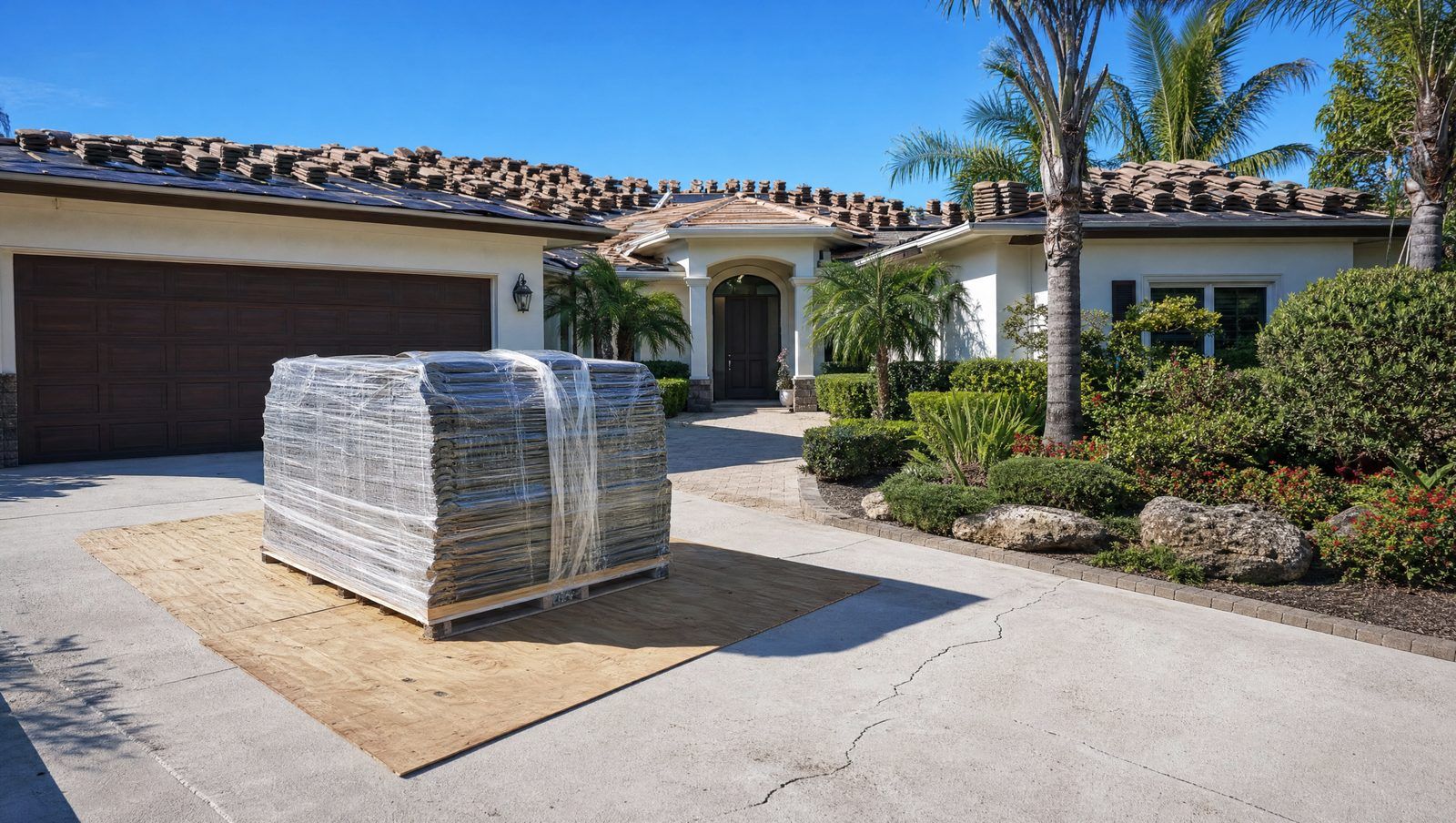
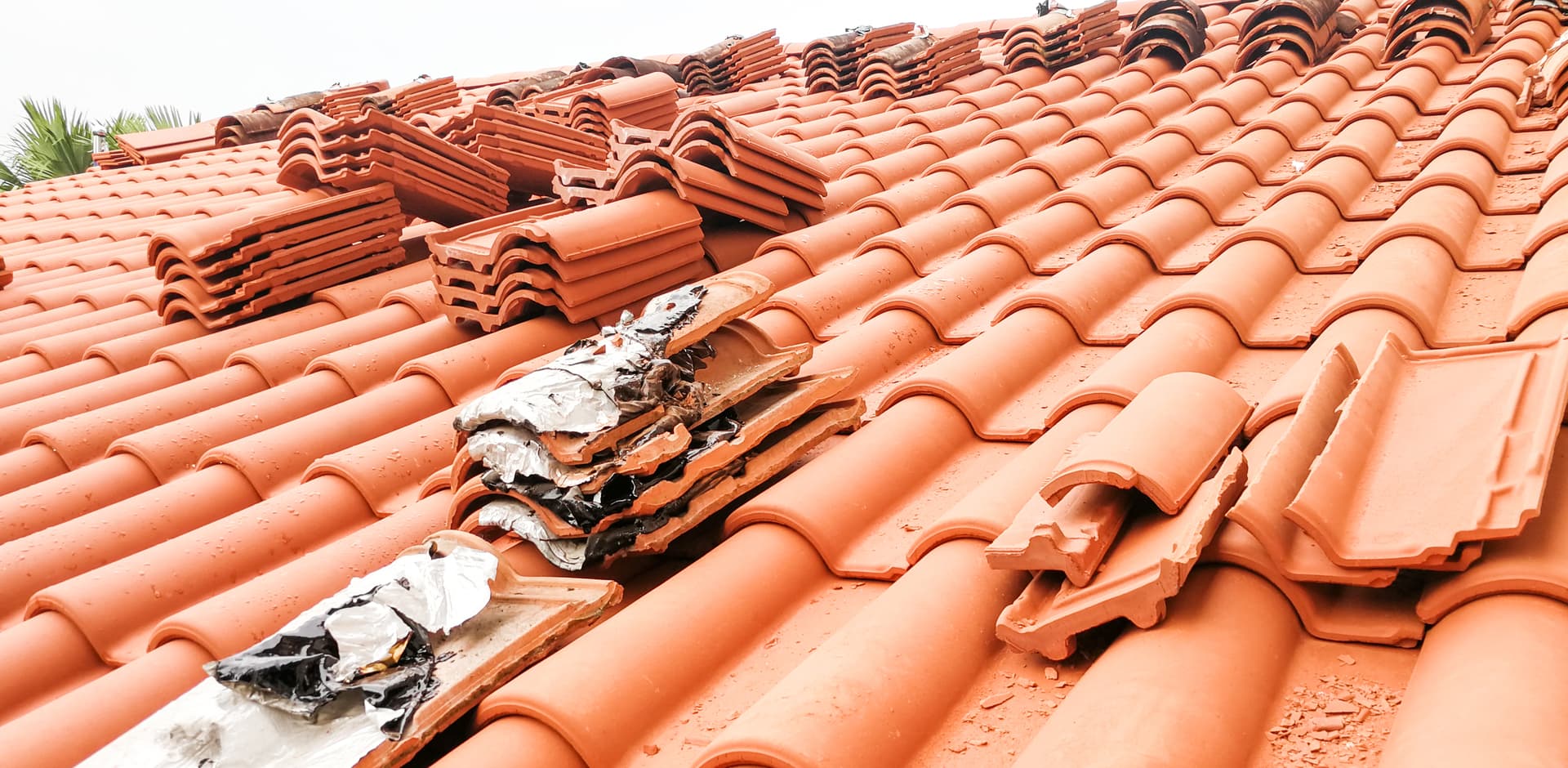
In Arizona, roofs mostly battle sun and heat. In South Florida, they also deal with heavy rain, high humidity, and hurricane-force wind. Ask for the age of the roof, the permit history, and any wind mitigation report during your inspection period.
Roof age matters for insurance here. Many Florida insurers look hard at older roofs, and some won't write a new policy without an inspection or a replacement once a roof reaches a certain age. Knowing where your roof stands before closing can save you a scramble afterward.
A wind mitigation inspection is worth getting even if the seller didn't provide one. Features like roof-to-wall straps, secondary water barriers, and impact-rated openings can lower your premiums noticeably, and the report gives you a clear picture of how the house was built.
Know the Local Building Rules
Florida's building code has specific wind and installation requirements, and re-roofing in Palm Beach Gardens requires a permit. Communities with an HOA often have rules about roof material and color, too.
If you're used to tearing off and replacing a roof quickly back home, expect a bit more paperwork here. A local roofer handles the permits, inspections, and product approvals, and can tell you what your HOA typically approves.
Plan Storage for a Humid Climate
Moving from the desert to the coast changes how you should store things. In dry climates, closets are designed mostly to keep out dust and protect items from sun fading. Here, the bigger concern is moisture.
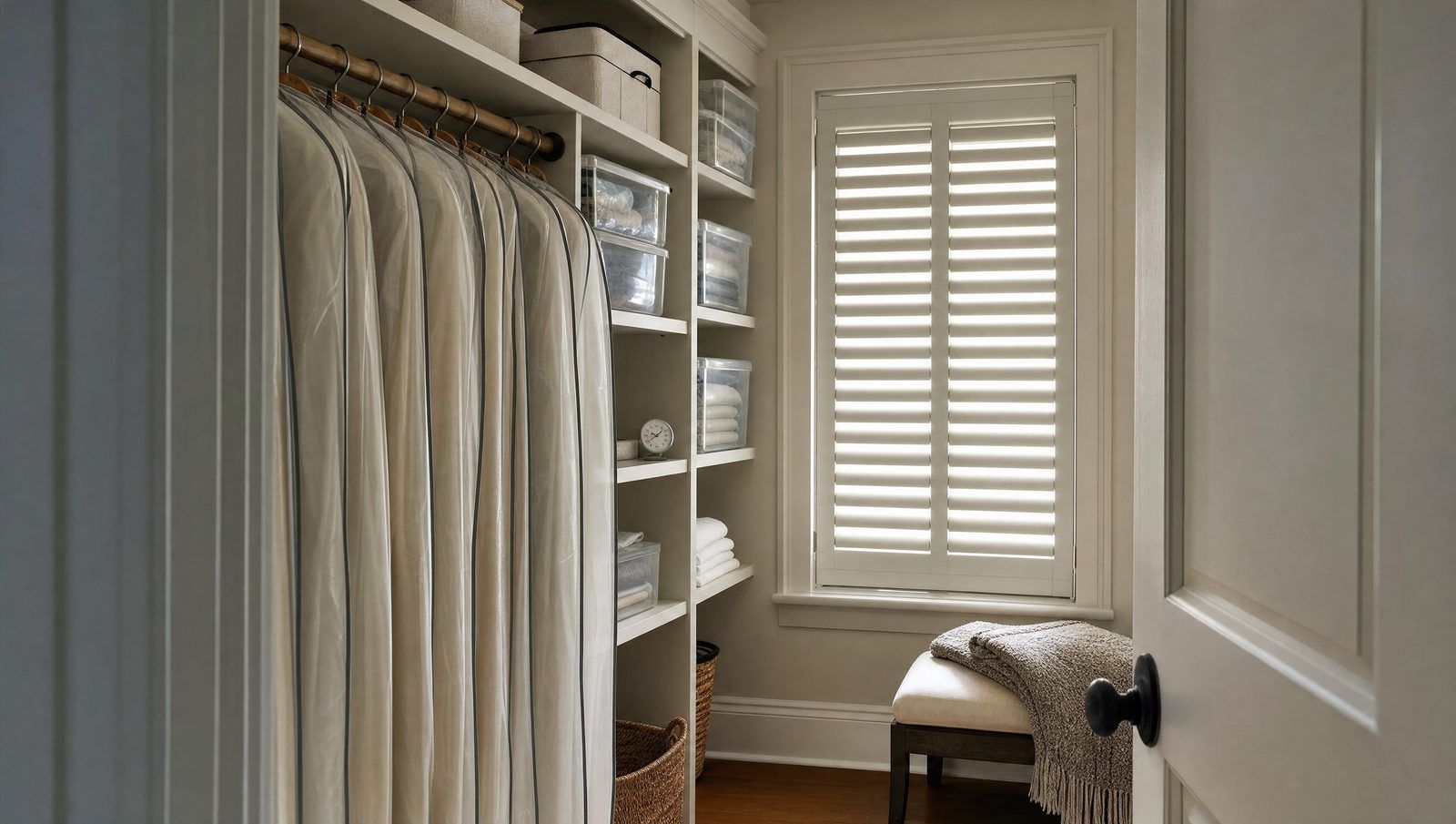
If you're leaving a western home with a well-designed closet behind, it's worth noticing what worked. Good closet design in Gilbert and other Arizona communities is built around organization and easy access, and those ideas carry over well. For your Florida closets, add airflow: ventilated shelves, breathable garment bags, space between hangers, and a small dehumidifier in closets on exterior walls.
Getting a Seasonal Home Ready to Close Up
If you'll split time between two homes, the Florida house will sit empty during the hottest, wettest months. Before you leave, have the roof inspected, clean the gutters, and trim any branches near the roofline.
Set the AC to a moderate temperature rather than off so it keeps controlling humidity, and ask a neighbor or property manager to check the house after storms. Store linens and clothes in sealed or breathable containers, and leave interior doors open to keep air moving.
It also helps to set up a simple routine for hurricane season even if you won't be in town. Know who will install shutters, who has a key, and which roofer you'll call after a storm, so the plan is in place before anyone needs it.
Your First-Year Checklist
In your first year, get a full roof inspection if one wasn't done at purchase and keep copies of the permit and wind mitigation paperwork. Learn your hurricane shutter setup before June, and plan your closets and garage for humidity, not just space.
Finally, find a roofer you trust before you need one. After a big storm, the good local companies fill their schedules fast, and existing customers usually get called back first.
Welcome to Palm Beach Gardens. If you'd like an honest look at the roof on your new home, our team is happy to help.